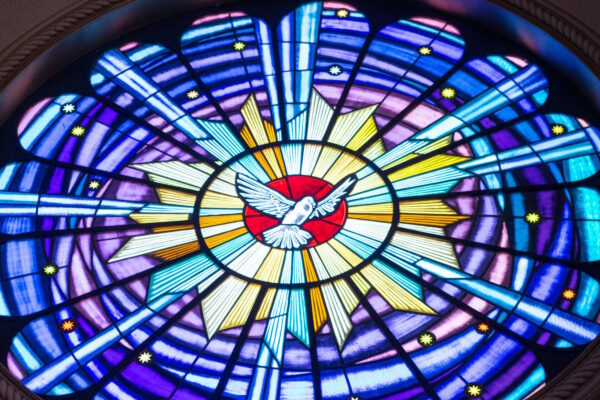
Observing the Church Calendar
Observing the Church Calendar is not only helpful but a necessary practice to make ECC even more Christ-exalting and gospel-centered.

Observing the Church Calendar is not only helpful but a necessary practice to make ECC even more Christ-exalting and gospel-centered.
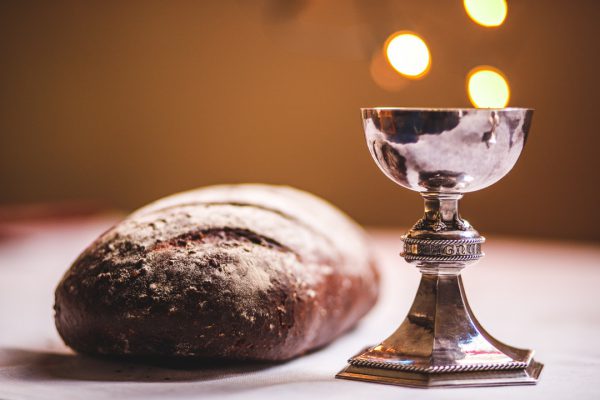
Celebrating the Lord's Supper weekly helps us taste and see the goodness of the Lord and his gospel every time we gather as a church.

Several thoughts to help clarify our decision to include the recitation of historic Christian creeds in our Lord’s Day worship.
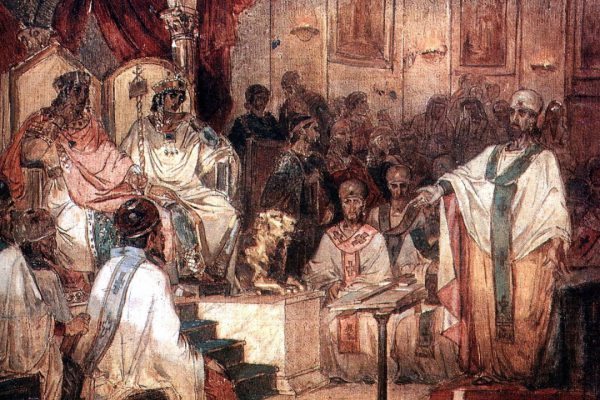
The Chalcedonian Creed was finalized at the Council of Chalcedon in AD 451 as a response to several heresies regarding the nature of Christ.

The Reformation hymn, "Lord Jesus Christ, With Us Abide," is a fitting anthem for the church living in the last days.

In order to be a disciple of the Lord Jesus Christ we must be ready and willing to die for him and the cause of the gospel

Pastor Matt's recommended books by the late J. I. Packer, one of the most influential theologians of the last century.

A summary of Martyn Lloyd-Jones' arguments against the innovative practice of having altar calls at the conclusion of a sermon.
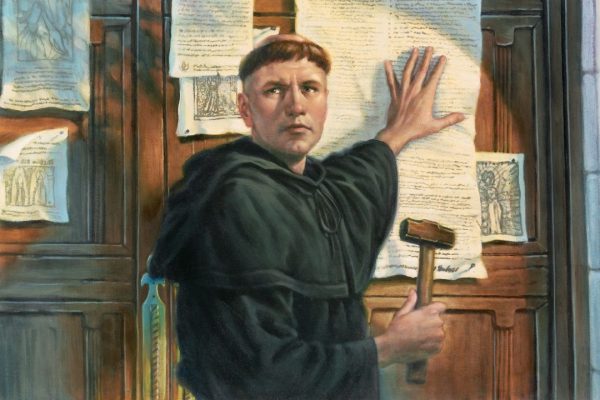
On October 31 we commemorate the Protestant Reformation and the recovery of the gospel. Here are some excellent resources on our church family history.

The problem with misconceptions and stereotypes of the word 'Baptist' is that they all fall miserably short of defining what a Baptist church is.
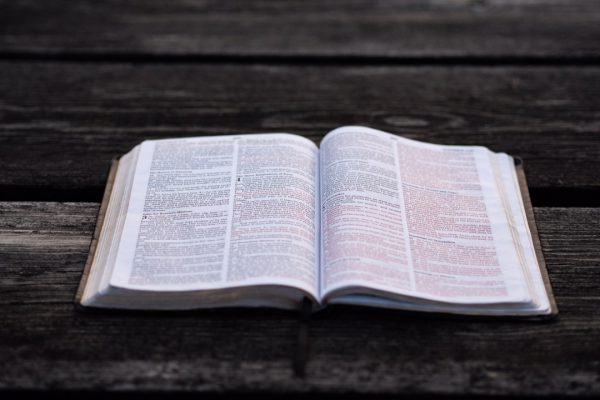
Pitting the Spirit and the Word of God against each other creates a false dichotomy and unnecessary division between believers.
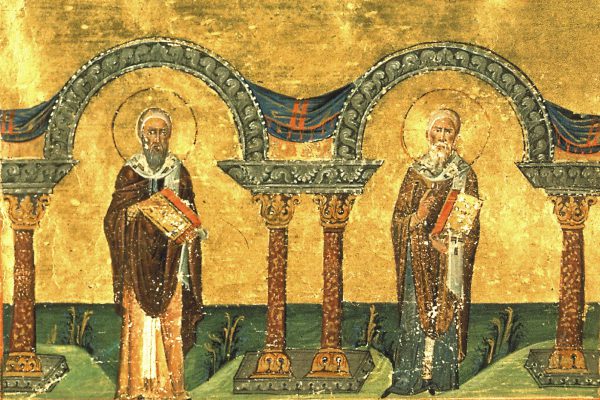
The Athanasian Creed is a fifth century Creed written to affirm the deity of Christ and the Trinity.
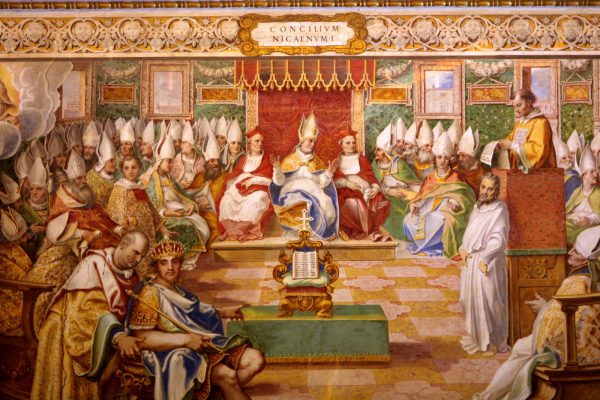
The Nicene Creed is a statement of orthodox Christian faith developed by the early church.
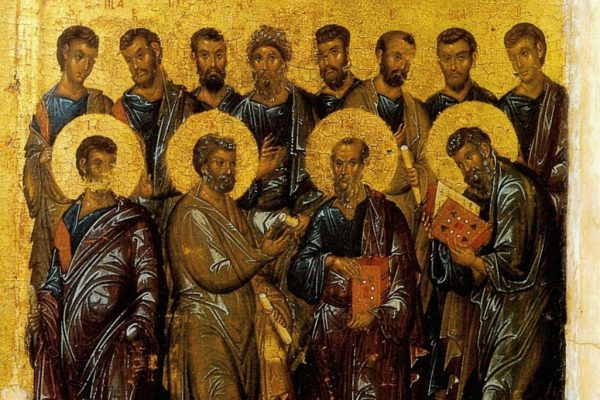
The Apostles' Creed is an early statement of Christian belief confessed by the early church.